
Broke Down Between Sedona and Flagstaff? Getting Picked Up
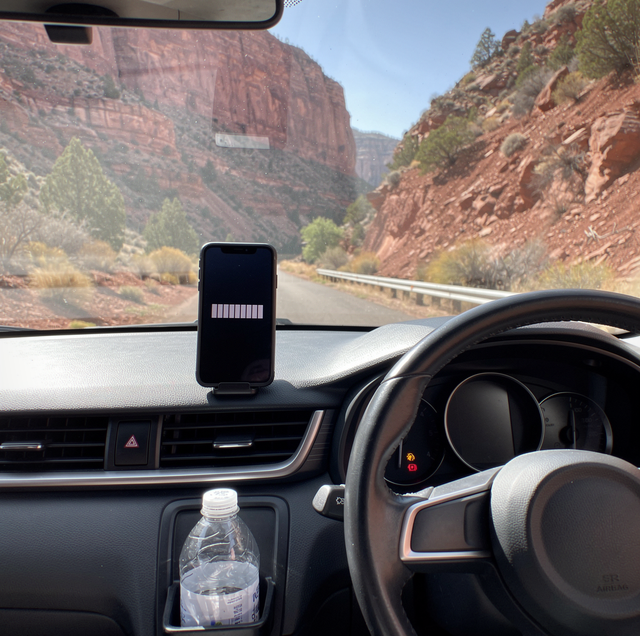
A Switchback, a Warning Light, and No Signal
The stretch of Highway 89A through Oak Creek Canyon between Sedona and Flagstaff is one of the most scenic drives in northern Arizona, and one of the least forgiving places for a vehicle to fail. The road climbs through tight switchbacks with steep drop-offs and thin shoulders, and cell coverage drops out for long stretches inside the canyon itself. A dashboard warning light or a dead battery here isn't just an inconvenience; it's a stranded vehicle on a narrow mountain road with no easy way to call for help until the signal comes back.
First: Get the Vehicle and Everyone in It Off the Travel Lane
If the vehicle can still move at all, even a few hundred feet, getting it to the widest available shoulder or one of the canyon's occasional pullouts is the first move, ahead of anything else. Oak Creek Canyon's shoulders are narrow and sometimes nonexistent on the outside of a curve, so a vehicle stopped in a travel lane on a blind switchback is a hazard to everyone behind it, not just an inconvenience to the people inside. Hazard lights go on immediately, and everyone gets out on the side away from traffic if there's any room to do so safely.
Why Cell Signal Fails Here and What to Do About It
The canyon walls block signal for long stretches of 89A, particularly in the deepest sections between Sedona and the switchbacks climbing toward the top of the rim. A phone showing no bars doesn't mean no service exists anywhere nearby; moving even a short distance, uphill toward an open stretch or to a pullout with a clearer view of the sky, can be enough to pick up a bar or two. If no signal can be found at all, flagging down a passing vehicle to relay a message at the next town with coverage, Sedona to the south or the outskirts of Flagstaff to the north, is a realistic option on a road with steady tourist traffic.
Roadside Pickup vs. Towing: Two Separate Problems
A breakdown creates two separate needs: getting people out of the vehicle safely and getting the vehicle off the road and repaired. A roadside pickup service handles the first part, getting stranded passengers and their luggage to safety and on their way to their destination, while a tow truck handles the second, hauling the disabled vehicle to a shop or a rental return. These aren't the same call to the same number, and confusing the two can leave a family sitting on the shoulder for hours waiting for a flatbed when what they actually needed first was simply a ride out of the canyon. Sorting out which need is more urgent in the moment, usually getting people safe and moving first, then arranging the tow once everyone is off the roadside, keeps the wait from stretching longer than it has to. A dispatcher fielding the call can usually help make that call quickly once they know the vehicle's condition and how many people need to move.
What a Passenger Pickup on This Route Actually Looks Like
A driver responding to a stranded party in Oak Creek Canyon needs to know the road itself: which pullouts are located between which mile markers, where a vehicle can safely stop to load passengers without blocking the switchback behind it, and how traffic realistically moves through the canyon at different times of day. That local knowledge is the difference between a pickup that adds a stressful extra hour to an already bad day and one that gets a family safely to a hotel in Flagstaff or back to Sedona within a reasonable window.
Timing Matters More at Night and in Winter
A breakdown at 9 p.m. is different from one at 2 p.m., and a breakdown in January is different from one in July. Oak Creek Canyon's elevation gain means winter can bring icy patches near the top of the switchbacks well after Sedona's streets are dry, and a stranded vehicle at night with no working hazards or interior lighting is far harder for other drivers, and for a pickup vehicle, to spot in time. Anyone stranded after dark or in winter conditions should prioritize visibility, flares, reflective triangles, a phone flashlight aimed at oncoming traffic if nothing else, over almost anything else while waiting.
What to Have Ready When the Pickup Arrives
Knowing the nearest mile marker or a landmark, a specific pullout name, a switchback number if the road has them posted, the last town passed, helps a pickup driver locate a stranded vehicle faster than a vague description of "somewhere in the canyon." Having luggage and any valuables gathered and ready to move, rather than scattered throughout a disabled vehicle, also speeds up the transfer once a pickup vehicle can stop safely. A charged phone, even without signal, still has a flashlight and offline maps that can help confirm a location once a passing driver or a pickup vehicle is trying to find the exact pullout.
Frequently Asked Questions
The direct drive covers roughly 27 miles and climbs about 2,000 feet in elevation, typically 45 minutes to an hour under normal conditions, longer with the switchbacks slowed by tourist traffic or weather.
Yes. 89A has several marked scenic pullouts through the canyon, including one near Midgley Bridge close to the Sedona end and others spaced through the climb toward the switchbacks below the rim. Getting to the nearest one is worth the extra hundred feet if the vehicle can still limp that far, and glancing at a mile marker sign while still moving can save real time later when describing the exact location to a dispatcher.
The blind curves on this stretch cut sightlines down to just a few seconds of warning for approaching traffic, so placing a reflective triangle or flare back around the previous bend, not just next to the vehicle, gives drivers more room to react before they can even see the disabled car. Hazard lights on and everyone off to the side, out of the travel lane, still comes first; placing any warning device farther back is what actually buys reaction time on a curve like this.
No, and the two typically run on different timelines: a tow truck reaching a remote stretch of Oak Creek Canyon can take considerably longer to arrive than a passenger pickup, sometimes well over an hour depending on which shop dispatches it and how far up the switchbacks the vehicle sits. Getting people moving first, rather than waiting on-site for the flatbed, is usually what keeps the whole day from stretching out.
Coverage tends to improve near both ends of the canyon, closer to Sedona to the south and near the top of the switchbacks approaching Flagstaff to the north, though exact coverage varies by carrier and can change.
An extra layer, a charged phone or portable battery, and water are worth keeping in the vehicle given the elevation swing on this route; winter conditions near the top of the canyon can differ sharply from a clear morning at the Sedona end. Traction devices or all-season tires also matter if a winter trip is planned, since a breakdown caused by ice on the switchbacks is common enough that local drivers plan for it every season.
A breakdown in a place this remote is unsettling precisely because the usual options, a quick rideshare, a short walk to help, aren't available. Knowing the difference between getting people out and getting the vehicle out, and having a rough sense of where you are in the canyon, turns a frightening wait into a manageable one.
Call for a roadside passenger pickup on the Sedona-to-Flagstaff route — get your group and your luggage moving safely while a tow is arranged. Western Express Shuttle Service and Tours serves Sedona, Flagstaff, Phoenix Sky Harbor, and northern Arizona's Verde Valley and Rim Country. Call (928) 202-4071.
