
Phoenix to Page and Antelope Canyon: Planning a Long Day North
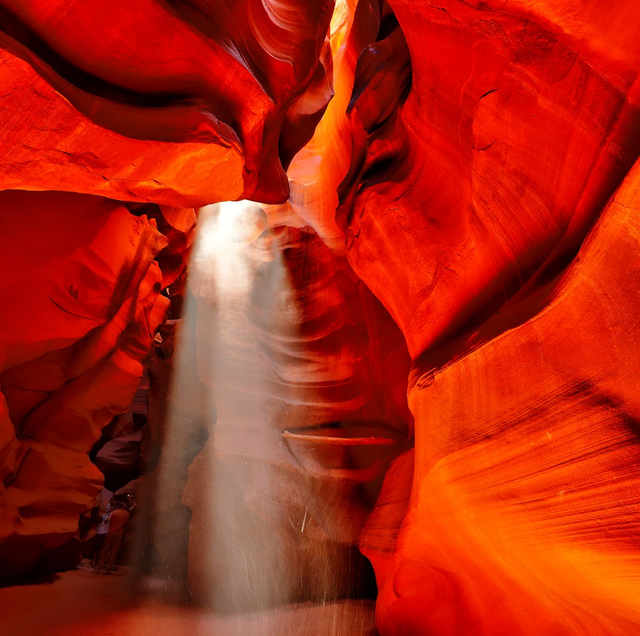
Open a map of Arizona, find Phoenix near the bottom, then run your finger up and to the right until you hit Page, tucked against the Utah line beside Lake Powell. That gap is bigger than it looks on a phone screen. Antelope Canyon and Horseshoe Bend are two of the most photographed places in the state, and they sit roughly 275 miles from Phoenix, about four and a half to five hours of driving one way before you have seen a single slot-canyon wall. Planning this trip well is mostly a matter of respecting that distance and building the day around it instead of pretending it is a quick jaunt.
Plenty of visitors underestimate the drive, leave Phoenix mid-morning, and arrive in Page frazzled with barely time for their canyon booking. It does not have to go that way. The trip rewards a little planning: knowing the route, deciding whether to make it a long day or an overnight, and locking in the parts that cannot be arranged on arrival. Here is how to put it together.
What the Drive North Actually Looks Like
The route is simpler than the distance suggests. From Phoenix, you climb north on Interstate 17, gaining serious elevation as you leave the desert floor near 1,100 feet and rise onto the Colorado Plateau. Around Flagstaff, close to 7,000 feet, you leave the interstate and pick up US Highway 89, which carries you the rest of the way north through the Navajo Nation and high-desert country to Page. It is largely one road once you are past Flagstaff, which makes navigation easy but does nothing to shorten the hours in the seat.
Call it 275 miles and plan for four and a half to five hours of pure driving, longer with stops, and you will not be caught out. The scenery earns the time: ponderosa forest around Flagstaff gives way to open plateau, painted cliffs, and the wide, empty stretches that make northern Arizona feel enormous. It is a beautiful drive, but it is a real one, and the second half runs through country with long gaps between services. Fuel up in Flagstaff, and do not count on a coffee shop appearing every few miles the way it would in the city.
The elevation swing matters for more than your ears. You leave a warm valley and spend hours near 7,000 feet before Page settles back to about 4,300 feet on the water. Conditions at the start of the drive can look nothing like conditions in the middle of it, which is worth remembering when you pack and when you plan your departure time.
Why It Is a Long Day, and Often Better as an Overnight
Do the arithmetic honestly. Five hours up plus five hours back is ten hours behind the wheel. Add a two- to three-hour window in Page for your Antelope Canyon tour, and a stop at Horseshoe Bend, and a same-day round trip from Phoenix becomes a thirteen- or fourteen-hour marathon that starts before dawn and ends well after dark. It can be done, and some travelers on a tight schedule do exactly that, but it leaves almost no margin for a late start, a long lunch, or the traffic that comes with popular viewpoints.
An overnight in Page changes the whole feel of the trip. You arrive with the afternoon still ahead of you, catch Horseshoe Bend in good evening light, sleep, and hit your canyon tour rested the next morning. It also opens the door to the rest of what the area offers rather than forcing a choice between one stop and the drive home. If your itinerary has any flexibility at all, one night near Lake Powell turns a punishing day into a real highlight. If it does not, plan the day trip carefully and accept that the drive is most of it.
Antelope Canyon: Why You Book Long Before You Go
Antelope Canyon is not a place you can wander into. It sits on Navajo Nation land, and entry is only permitted with an authorized Navajo guide on a booked tour. There is no trailhead you can walk up to on your own, no gate you pay at the last minute, and no way to salvage the visit if you arrive without a reservation. The guide requirement is the single fact that trips up the most first-time visitors, so treat the tour booking as the anchor of the whole trip and build the drive around the time slot you are given, not the other way around.
Slots fill early, especially in the warmer months when demand peaks, so reserve your tour well ahead, often weeks out for a specific date and time. There are two separate canyons to choose between, Upper and Lower Antelope, and they are two distinctly different experiences rather than two names for the same place. Pick one before you plan your driving day, because the time your tour starts determines when you need to leave Phoenix. Arriving even fifteen minutes late can mean forfeiting the slot entirely, since the guides run on a fixed schedule and the next group is already waiting.
What Else Sits Around Page
The canyon is the headliner, but three attractions cluster close enough that most visitors see all of them.
Horseshoe Bend: the famous gooseneck curve of the Colorado River sits just south of Page, about five and a half miles from town off US-89, only a ten- to fifteen-minute drive. From the parking area, it is a short walk of roughly a mile and a half round trip out to the overlook, mostly on packed sand with an incline on the way back. There is no guide or reservation needed here, just a parking fee, which makes it the easy companion to a canyon tour.
Lake Powell and Glen Canyon Dam: Page exists because of the dam, and the reservoir behind it is a vast blue expanse of red-rock canyons that draws boaters, paddlers, and photographers. You can take in the dam and the lake from overlooks in minutes or build half a day around a boat outing, depending on how much time you have.
The town itself: Page is small and built for visitors, with the practical services, food, and lodging that the long stretches of US-89 lack. It makes a sensible base whether you stay a night or simply refuel and regroup between stops.
Timing and Heat: Reading the Day in Any Season
Timing this trip well means thinking about light and temperature together, and both cut in more than one direction depending on the month.
Light is the reason Upper Antelope Canyon is world famous. In the warmer months, when the sun rides high, midday tours can catch the shafts of light that beam down through the narrow opening onto the canyon floor, roughly late morning to early afternoon. In winter, the sun sits too low for those beams, and the canyon reads as a quieter play of color and shadow, which many visitors still find striking. There is no wrong season, but if a specific look is the reason you are going, match your tour time to it and plan the drive to land you there on time.
Heat is the other half. Page summers are hot, and the high-desert sun is intense, so a midday Horseshoe Bend walk in July asks for water, a hat, and sun cover, and there is almost no shade on the trail. The flip side is that winter mornings on the plateau can be sharply cold, and the shorter days squeeze the window for a round trip from Phoenix. The route in between spends hours near 7,000 feet around Flagstaff, where a summer monsoon storm can bring sudden downpours and low visibility, and a winter cold snap can bring snow and ice. The lesson is the same in either season: pack layers, watch the forecast for the high country and not just Phoenix, and give the drive more time cushion than a flat desert map would suggest.
How a Private Transfer or Tour Handles the Distance
When the driving is the hardest part of a trip, handing it off changes the day. On a private transfer or guided tour to Page, a professional drives the full route while you rest, take in the scenery, or sleep off an early start, and you arrive at your canyon booking without ten hours of steering wheel in your shoulders.
The timing is where it earns its keep. Because your Antelope Canyon slot is fixed and forfeited if you are late, a driver who knows US-89 and the stretch north of Flagstaff can plan the departure to hit that window with margin, rather than you guessing at a leave time from an unfamiliar city. A private vehicle also strings the stops together the way you actually want to see them: canyon tour, Horseshoe Bend, a Lake Powell overlook, a meal in Page, all on one itinerary without repacking into a new arrangement at each one. For a family or a group, everyone travels together instead of caravanning two cars over a long, empty highway.
Local road knowledge is real value on this particular route. The high country around Flagstaff behaves differently from the desert, weather can turn on the plateau, and the last hours run through open country where a wrong assumption about fuel or timing has consequences. A driver who runs these roads reads them, so you spend the drive looking out the window at the painted cliffs instead of managing them.
Building the Trip Around the Drive
The Phoenix-to-Page trip works when you plan it in the right order. Book the Antelope Canyon tour first, because the guide requirement and fixed slots leave you no flexibility there. Decide next whether the ten hours of driving fit into one day or call for a night in Page, and be honest about your stamina. Then sort the ride, whether you are driving yourself with a full tank and a cushion of time or handing the wheel to someone who knows the road. Get those three decisions right, and the distance stops being the thing you fight and becomes part of a trip through some of the most striking country in the Southwest.
Frequently Asked Questions
Yes, and there is no exception. Both Upper and Lower Antelope Canyon are on Navajo Nation land, and access is only through a tour led by an authorized Navajo guide, booked in advance. You cannot hike either canyon independently, and you cannot buy in at the entrance on the day. The tour fee covers the tribal permit and your guide. Bring a photo ID for the booking, keep tripods and large bags to whatever the tour allows since rules on gear change, and confirm your exact meeting point, because tours stage from set locations near Page rather than a single obvious trailhead.
They suit different travelers. Upper Antelope is a flat, sandy walk at ground level, which makes it the easier option for anyone who would rather not climb, and it is where the midday light beams appear in the warmer months. Lower Antelope sits below ground, and you descend and climb a series of metal stairways and ladders to move through it, so it asks for more agility and steadier footing. Lower tends to be narrower and more sculptural underfoot, and it often carries a slightly different crowd rhythm. If you can only do one and mobility is a factor, Upper is usually the safer pick; if you want the more adventurous walk, Lower delivers it.
The famous shafts of light in Upper Antelope depend on a high sun, so they show up roughly from late spring into early fall, generally in the late-morning-to-early-afternoon window when the sun clears the narrow slot overhead. Outside those months, the beams do not form, and the canyon instead glows with reflected orange and purple tones that photograph beautifully without direct shafts. If catching a light beam is the whole point of your visit, book a midday tour in the warm season specifically, and confirm the timing when you reserve, since the exact beam window shifts through the year.
It depends on your tolerance for a long day and what else you want to see. A same-day round trip from Phoenix runs around thirteen to fourteen hours door to door once you add the canyon tour and a Horseshoe Bend stop, which works if your schedule is tight and you are comfortable with an early start and a late return. An overnight lets you reach Page in the afternoon, catch Horseshoe Bend in softer evening light, and take a morning canyon tour rested, and it frees up time for Lake Powell. Groups and families with young kids almost always find the overnight version far less draining than the marathon day.
You can, but mind the geography so it does not blow up your driving day. Sedona sits just off I-17 in the Verde Valley, an easy add-on on the outbound leg or the return without much detour. The Grand Canyon's South Rim is a longer diversion west of the main route near Williams and Flagstaff, so pairing it with Page realistically means an extra day rather than a casual stop, since each is a major destination in its own right. A common approach is a loop over two or three nights: Sedona and the Verde Valley one day, the canyon another, and Page and Antelope Canyon at the far north, rather than trying to force all of it into a single push from Phoenix.
Pack for a route that changes character several times. Carry more water than you think you need, since the second half of US-89 runs through open country with few services and Page summers are hot with almost no shade at Horseshoe Bend. Bring layers, because the plateau near Flagstaff can be cold or wet even when Phoenix is warm. Closed, grippy shoes help on the Horseshoe Bend sand and are close to essential for Lower Antelope's ladders. Top off fuel in Flagstaff, download directions in case coverage drops on the northern stretches, and keep your canyon booking confirmation and ID handy so nothing slows you at the meeting point.
Skip the ten-hour round trip behind the wheel and ride to Page and Antelope Canyon on your schedule — book a private transfer or guided tour that plans the drive around your canyon time. Western Express Shuttle Service and Tours serves Sedona, Flagstaff, Phoenix Sky Harbor, and northern Arizona's Verde Valley and Rim Country. Call (928) 202-4071.
